Monthly Archives: July 2013

Leh

Standard

20130704-172736.jpg

At over 3,500 metres Leh is a city in the sky. Rainfall is low and the air is dry. The desert atmosphere desiccates everything it touches. With so little ground water the limited seasonal output from the melting snow puts pressure on the population to conserve every drop of water. The increasing influx of visitors exacerbates the problem. Leh has become two cities. During the Summer when the mountain passes are open it is filled with tourists and seasonal workers. As the cold weather closes in Leh returns to its Ladakhi roots. The airport provides a vital supply link. In some respects Leh’s isolation helps to conserve its cultural identity in the face of globalisation.
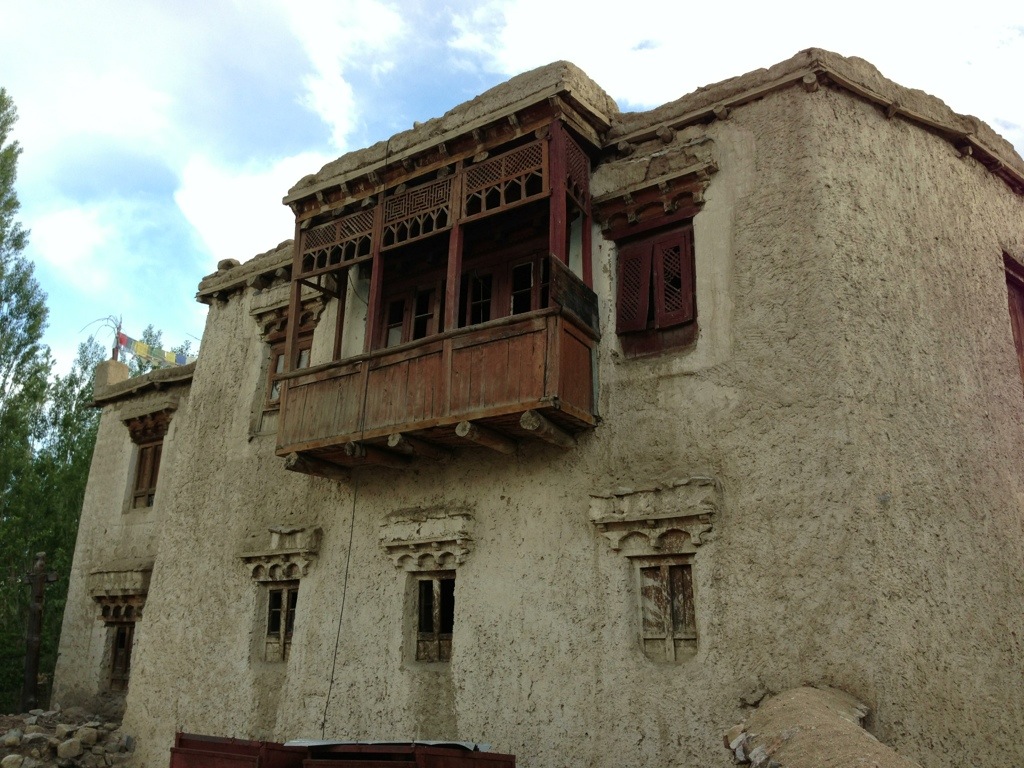
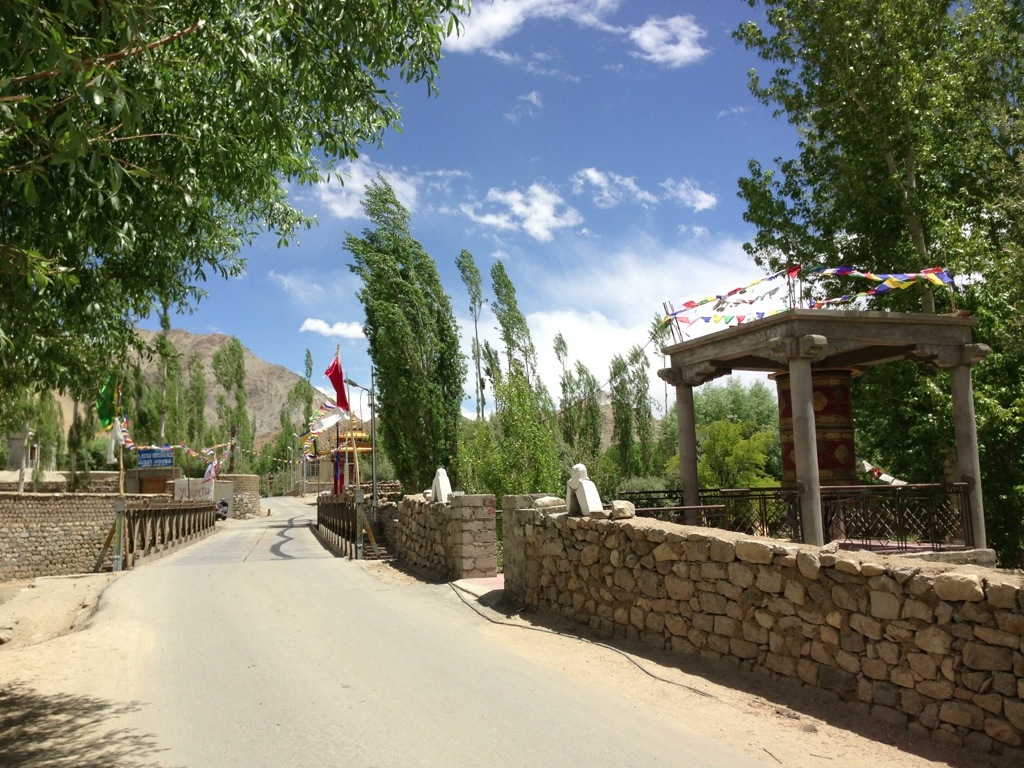
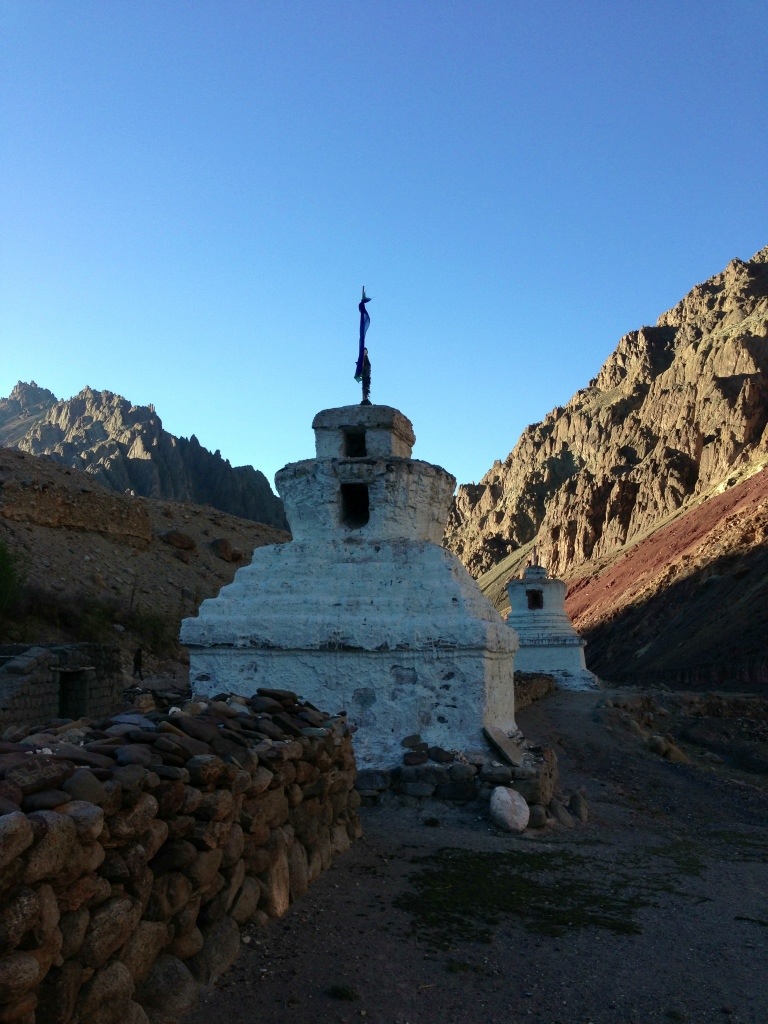
My own impressions were of a Kashmiri city in the same respects as Srinagar. The mosque has a central position and early each morning Kashmiris stand on the main street waiting to be picked for work. Shops, restaurants and hotels employ a host of seasonal staff from Northern India. The fascination with Leh is that it steadfastly remains a bastion of Tibetan Buddhism in the face of such potential dilution. Ladakhis are a proud people and maintain a unique identity in the face of modern pressures. Leh is filled with symbols of that identity. Much like Kathmandu, Leh has buddhist stupas and prayer wheels at every turn. The city is overlooked by Buddhist Gompas in each direction. Ladakhi families continue to farm the land within the city boundaries as they have done for centuries.
I had expected to find a cold wasteland and isolated city. But Leh is a vibrant welcoming place that enjoys good albeit dry Summers. I stayed with a traditional Ladakhi family close to the Shanti ‘peace’ stupa bordering the Changspa district to the North of the city. Early each morning the elderly owner of the ‘Lhari’ home stay would circle and purify the buildings with a smoking brazier of burning herbs. The surrounding gardens were filled with a huge variety of vegetables. Neighbours tilled their soil using yaks and planted their own crops. Visitors like myself provided an additional income but local families continued to support themselves in the same manner as they had done for generations. The isolation and independent lifestyle of Leh’s Ladakhis families is magnificent.
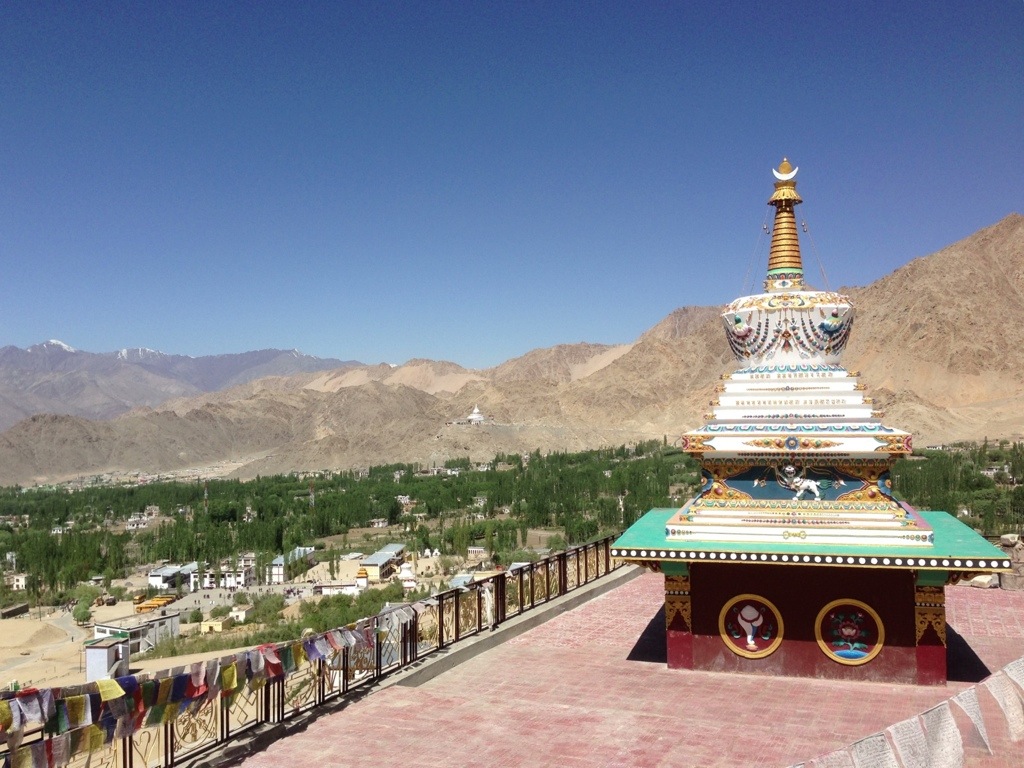
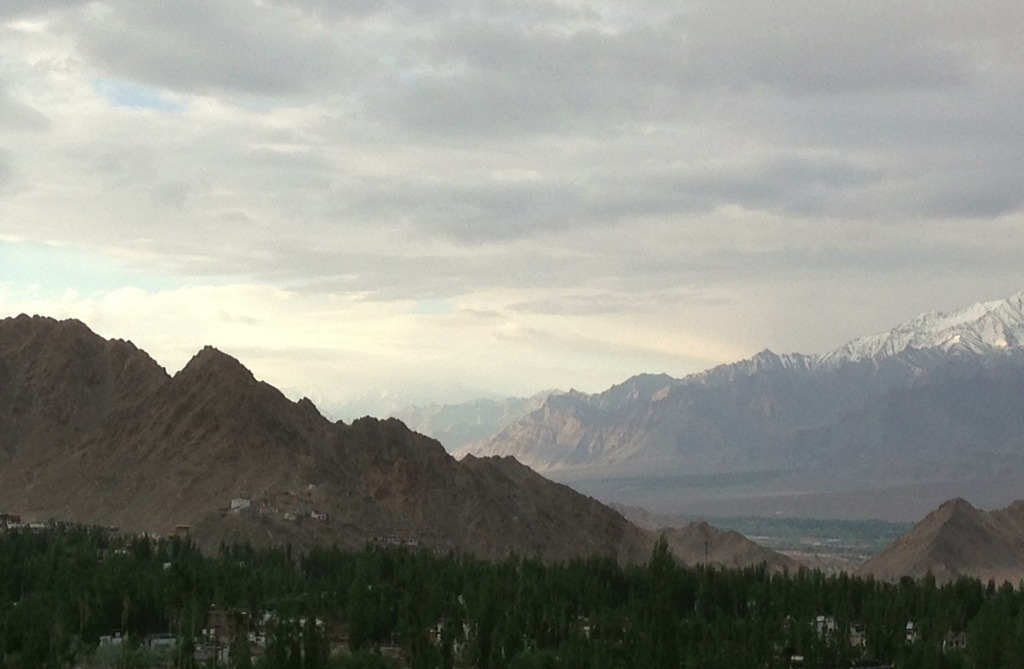
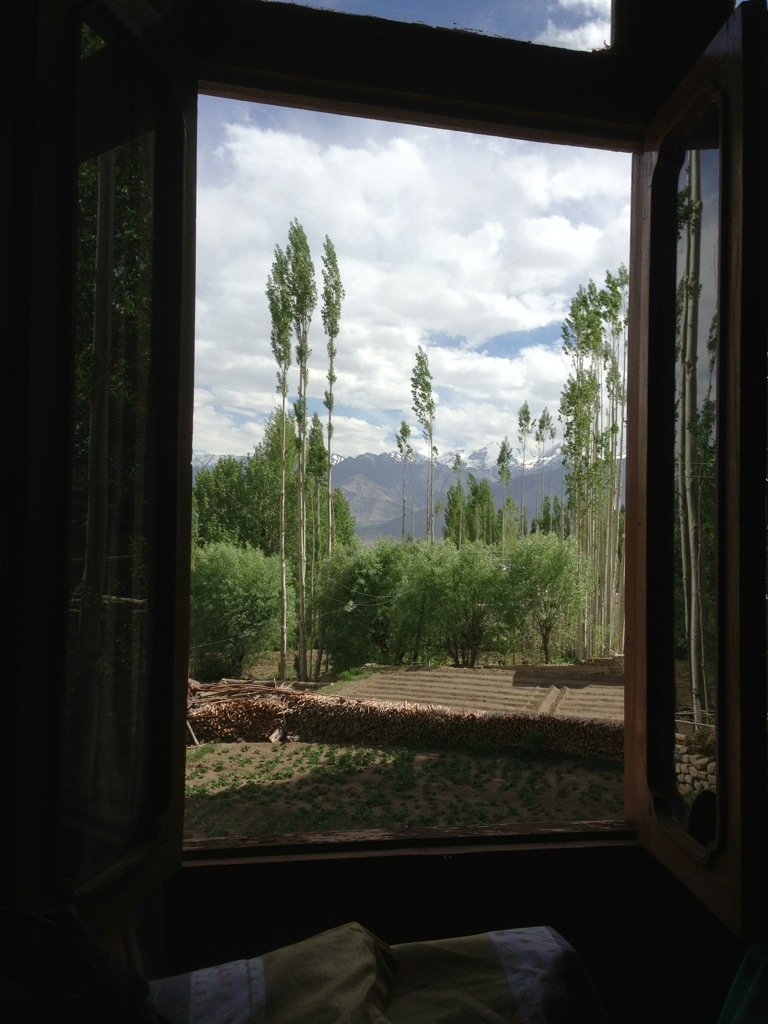
My upper floor room overlooked the vegetable garden and the mountain range to the South. The Shanti Stupa, built by Japanese Buddhists in the 1980s, stood high on a hill nearby. Given that I needed to acclimatise to the higher altitudes and prepare for the long cycle ride back to Manali I climbed up to it before sunrise each day. Occasionally I would meet a 16 year old Ladakhi athlete that would run to the top. He proudly told me how he had recently won the 100 and 800 metre races at an athletic meeting in Srinagar. Watching him quickly run and ascend the steps to the Stupa at an altitude of over 3,500 metres altitude it was no surprise!
20130704-182613.jpg
20130704-183102.jpg
20130704-183926.jpg
20130704-184041.jpg

20130704-190305.jpg

During my stay I walked extensively across the city and circled it on my bike. A river cuts through the centre and beautiful old buildings lay on its banks. During recent floods residents fled up to the Shanti stupa until the waters subsided and the river returned to normal.

20130704-192413.jpg

20130704-192545.jpg

20130704-192701.jpg

20130704-192939.jpg

20130704-193036.jpg

20130704-193144.jpg

20130704-193259.jpg

20130704-193757.jpg

20130704-194027.jpg
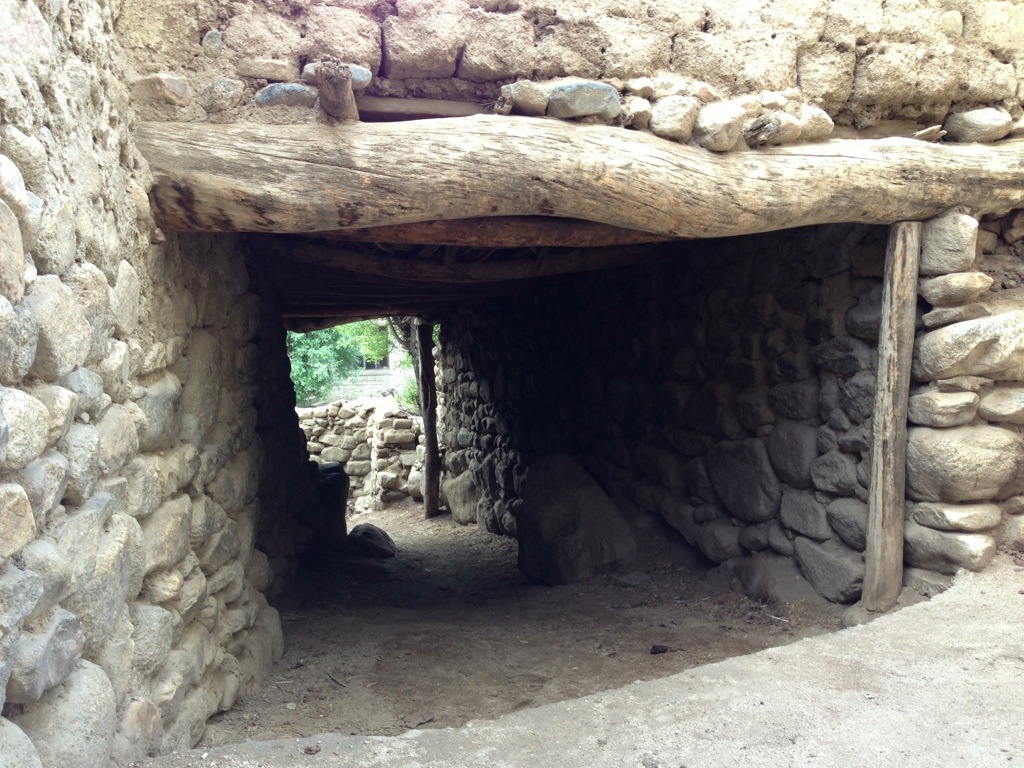
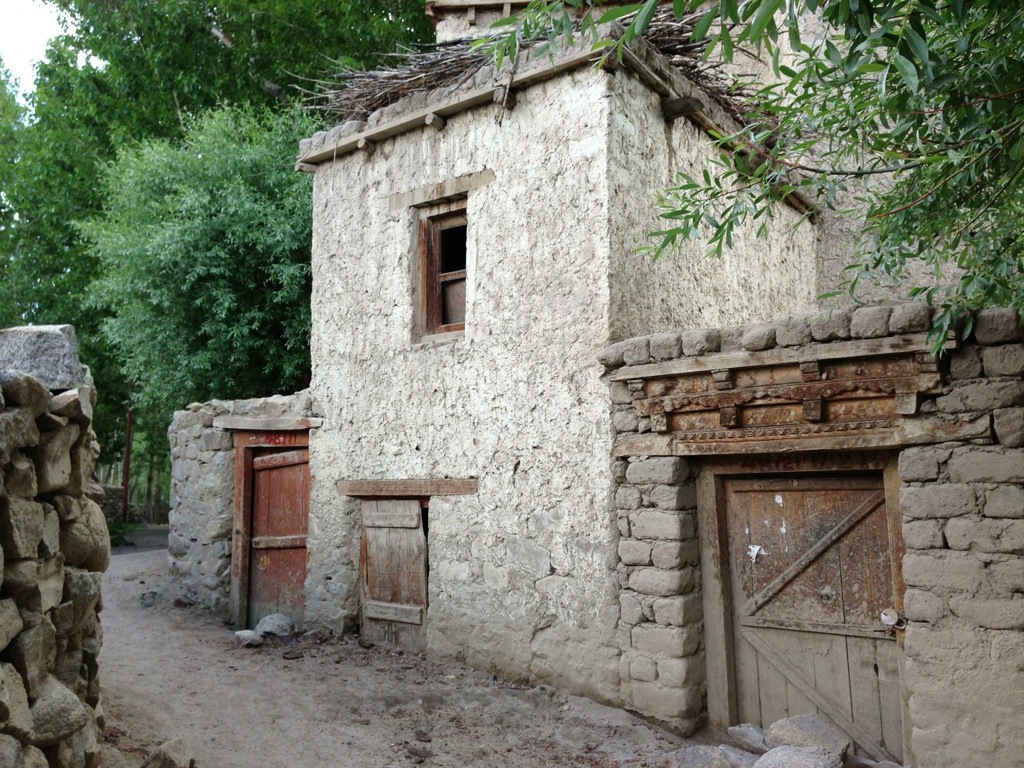
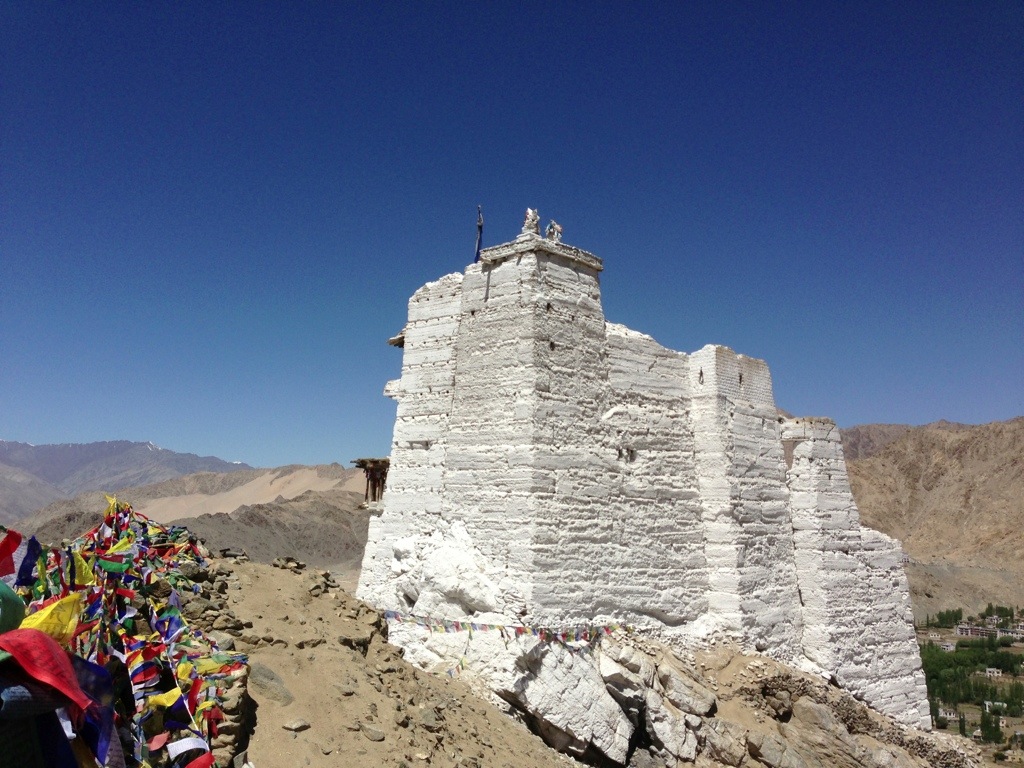
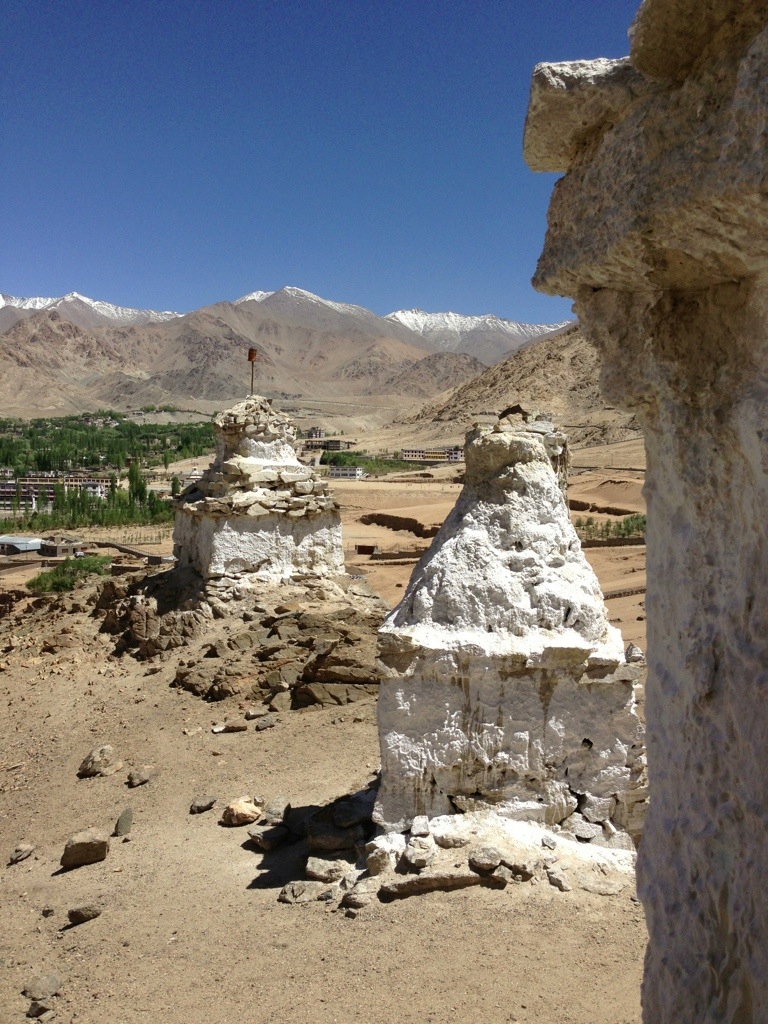
Leh’s Royal Palace dominates the skyline above the Jama Majid mosque on the Main Bazaar Road. Perched above is the Tsemo Fort, Gonkang and Namgyol Gompas. I climbed up in the heat past crumbling chortens to the fort and walked down past the palace into the maze of passageways of the old town.

20130704-194636.jpg

20130704-194734.jpg

20130704-194853.jpg

20130704-195046.jpg

20130704-195215.jpg

Driven

Standard

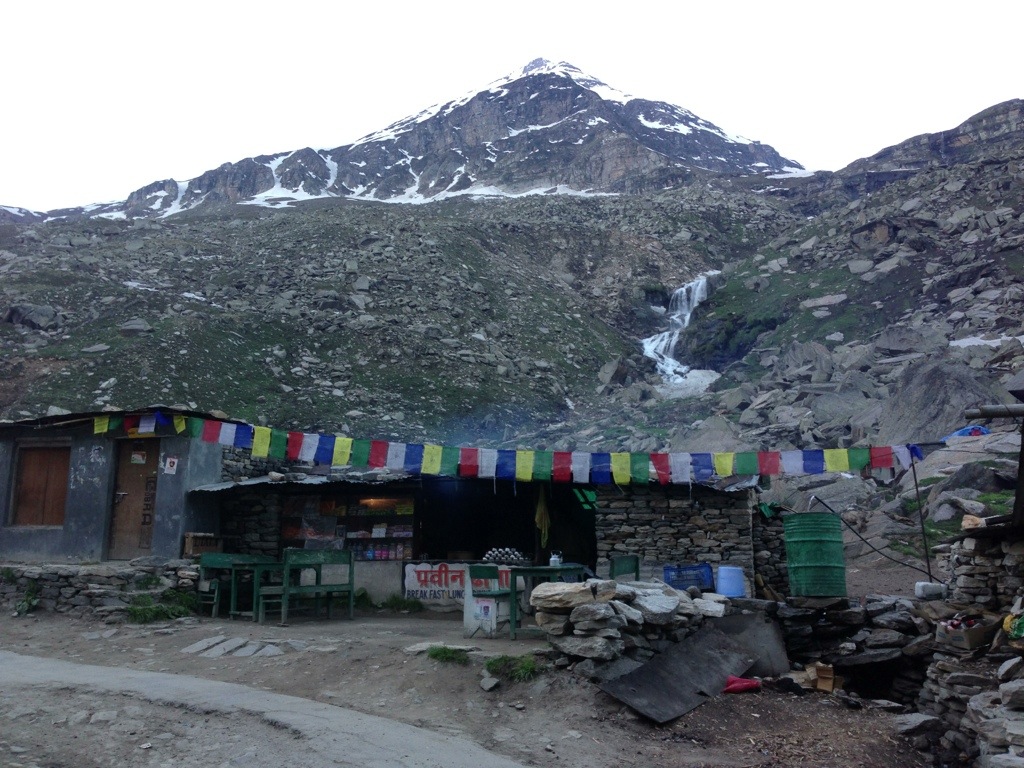
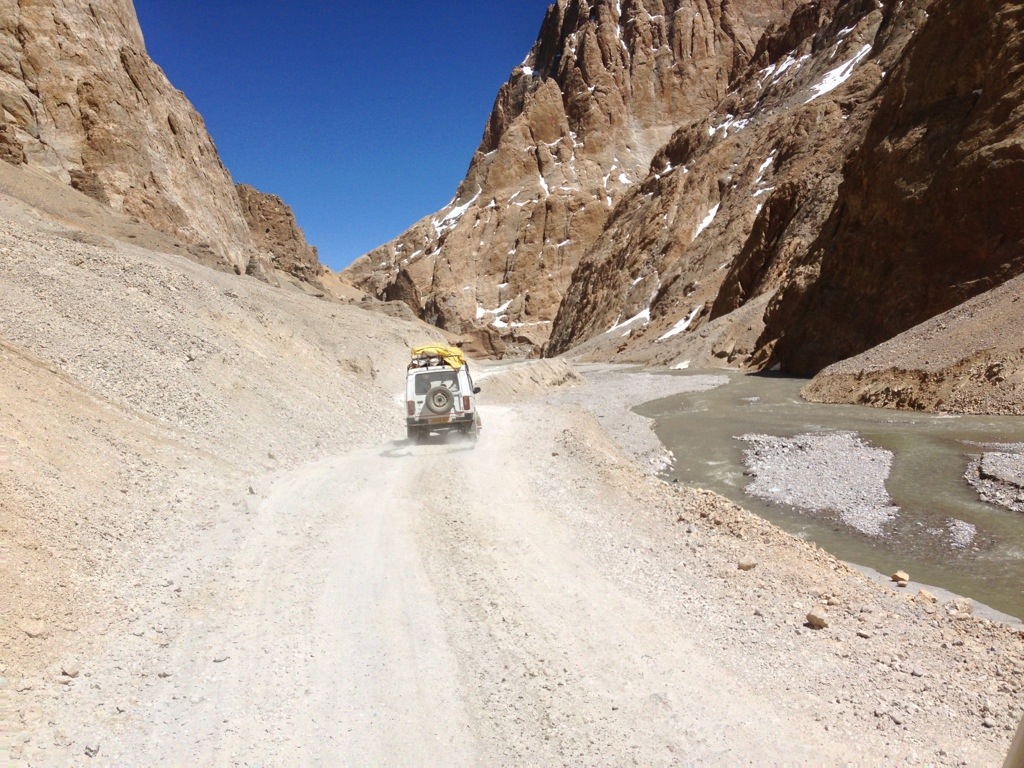
It took around twenty hours to reach Leh by road. This included a few stops for refreshment. It was an incredible road trip which tested the vehicle and the skills of the driver.
I had booked my place early and had snagged the front seat. I watched the road carefully and considered the degree of difficulty I would experience cycling back. The road conditions were seriously bad and was amazed that a minibus could cope with the flooded rocky roads. All kudos to the driver who had been doing the route on a regular basis for over 6 years and knew it like the back of his hand. I enjoyed the luxury of being driven but felt a little guilty having scotched my ‘green’ copybook.

20130703-115147.jpg

20130703-115257.jpg

20130703-115449.jpg

20130703-151111.jpg
We were delayed at one point where the road had given way to fast moving water and mud. Vehicles were queued and a fair few people, in typical Indian fashion, stood and watched a lorry with its wheels spinning and sliding in the mud.
With a little coordinated effort there was a way for us to get through. By getting the passengers off, putting rocks under the rear wheels and enlisting the help of other drivers to push we were able to get past. Using this method we managed to get three minibuses through.
I was amused at the Israeli tourists that finally conceded to remove themselves off one minibus to lighten its load. They had summer sandals and flip-flops. Some looked like they were dressed as Rajasthani herdsmen with baggy trousers and matching hats. They did their best to avoid getting mud on their ethnic attire and gingerly tiptoed ahead past the problem. I think they would have been horrified at the thought of actually helping to push a vehicle through mud.

20130703-143037.jpg

20130703-143242.jpg

20130703-143612.jpg

20130703-143704.jpg

20130703-143910.jpg

20130703-144028.jpg

20130703-144302.jpg

20130703-144408.jpg
Having backtracked to a village to drop off an elderly lady we arrived in Leh in darkness. It took a little while to reorganise my luggage around my cycle panniers. Somewhat cold, tired and disorientated I struggled to make my way up a steep hill away from the bus station. It was pitch black. Eventually I found my way to a dirty looking room at the Indus hotel and gratefully fell in to a coma.

Manali

Standard

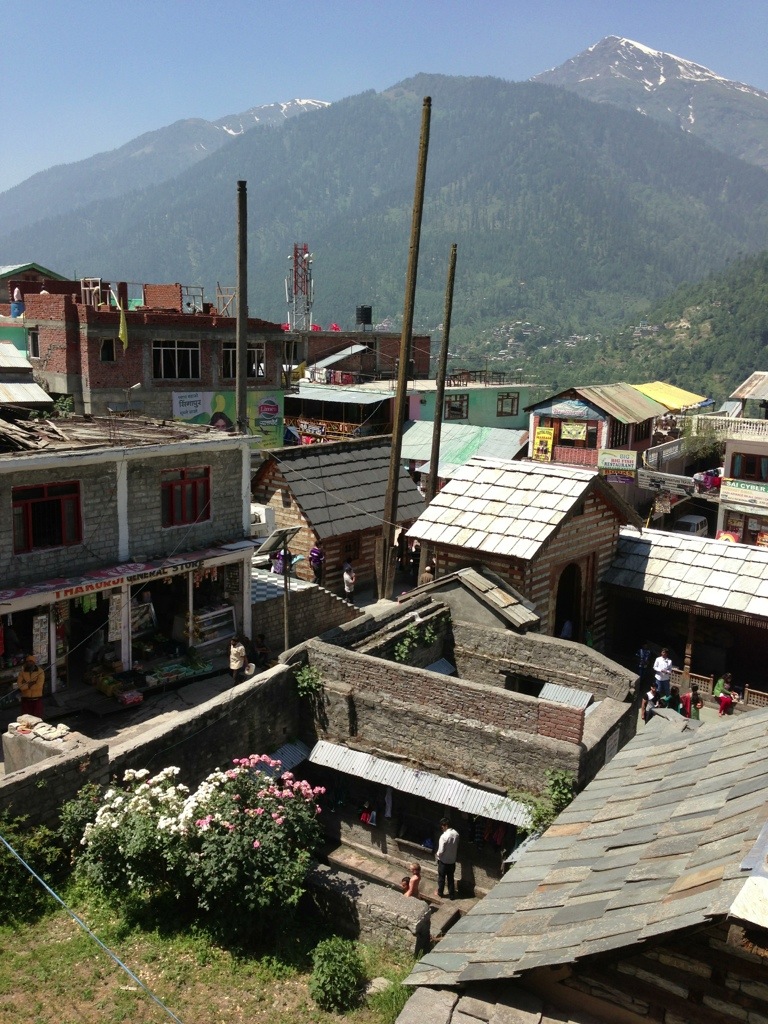
20130702-132808.jpgInitial impressions of Manali are disappointing. It is, naturally, a huge draw for tourists seeking refuge from the heat of the Ganges plain and beyond. Manali has a seaside town atmosphere and is heaving with people. The main drag is a pedestrianised area awash with shops, restaurants and travel centres. However the surrounding scenery is nothing short of spectacular. The Beas river has carved through the rock and helped created a valley that extends over 80km South to the Pandoh Dam reservoir. At Manali it is fast flowing and loud. Himalayan ranges rise up in every direction and stand proud above alpine forests. To the north are the formidable mountain passes which lead to Ladakh, Pakistan and ‘Tibetan’ China.
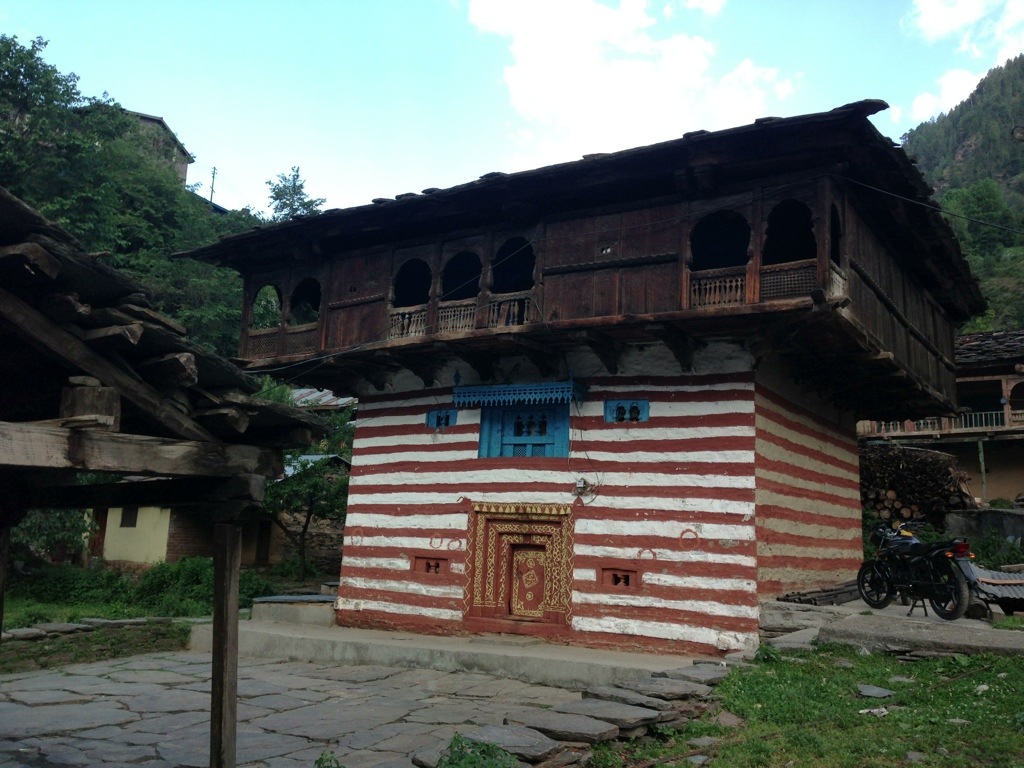
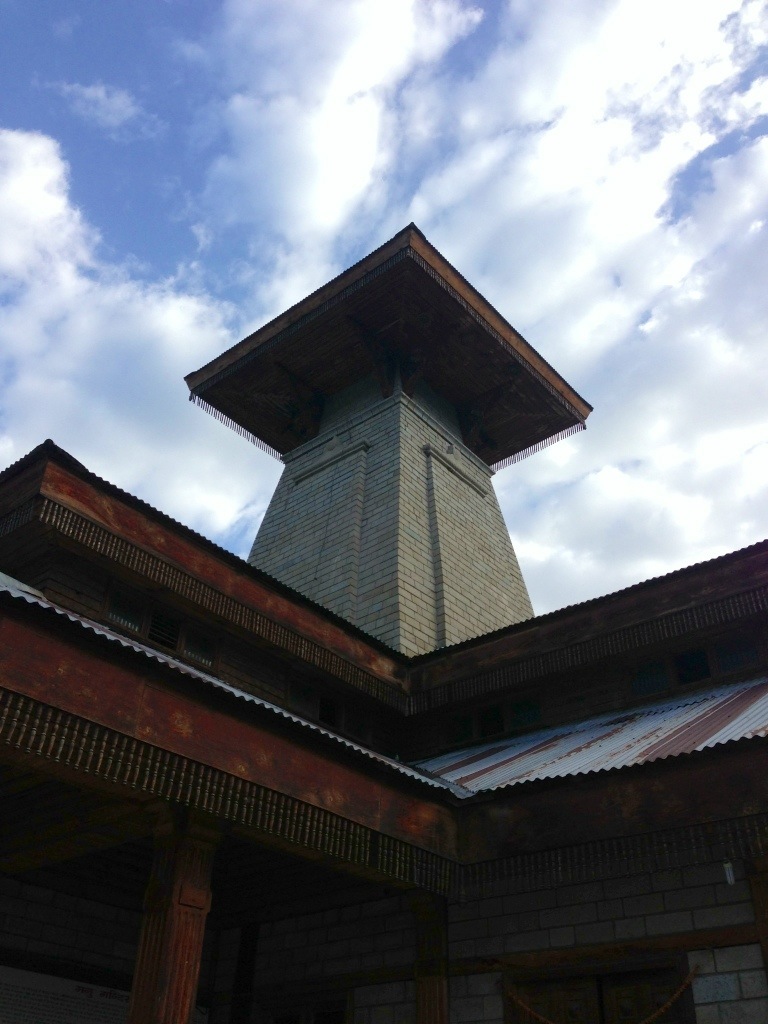
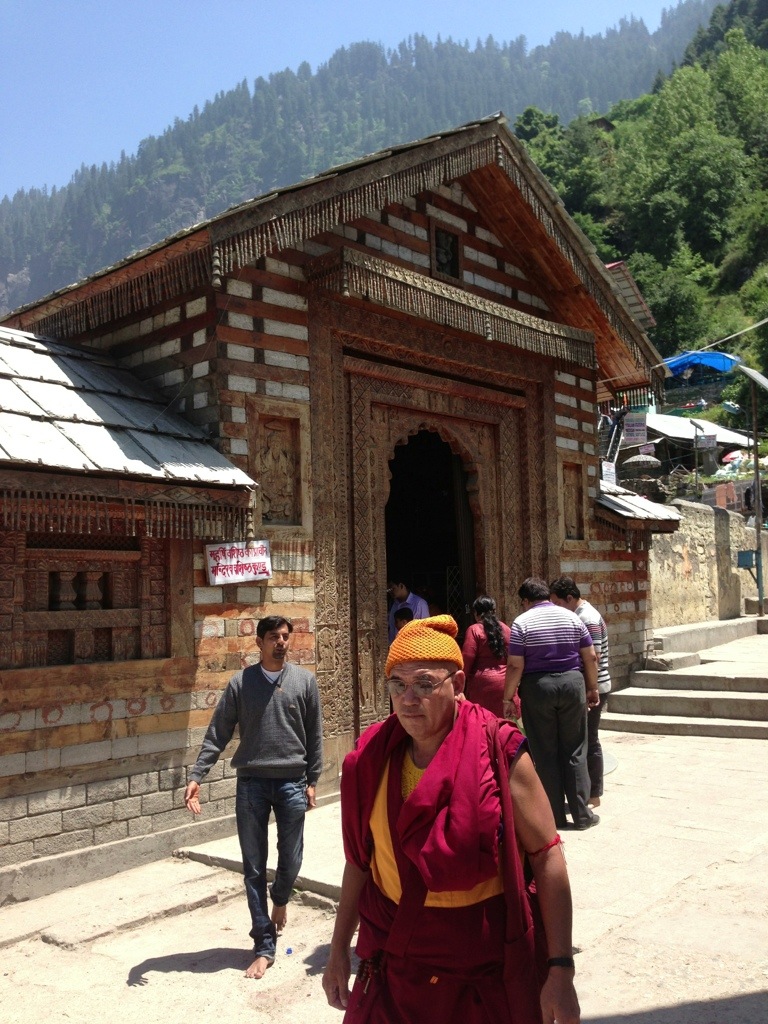
I had the address of a hostel in old Manali. The road winds up past a pine forest, down over a river and then up once again towards the old town. The original village is very attractive with distinctively built wooden buildings.
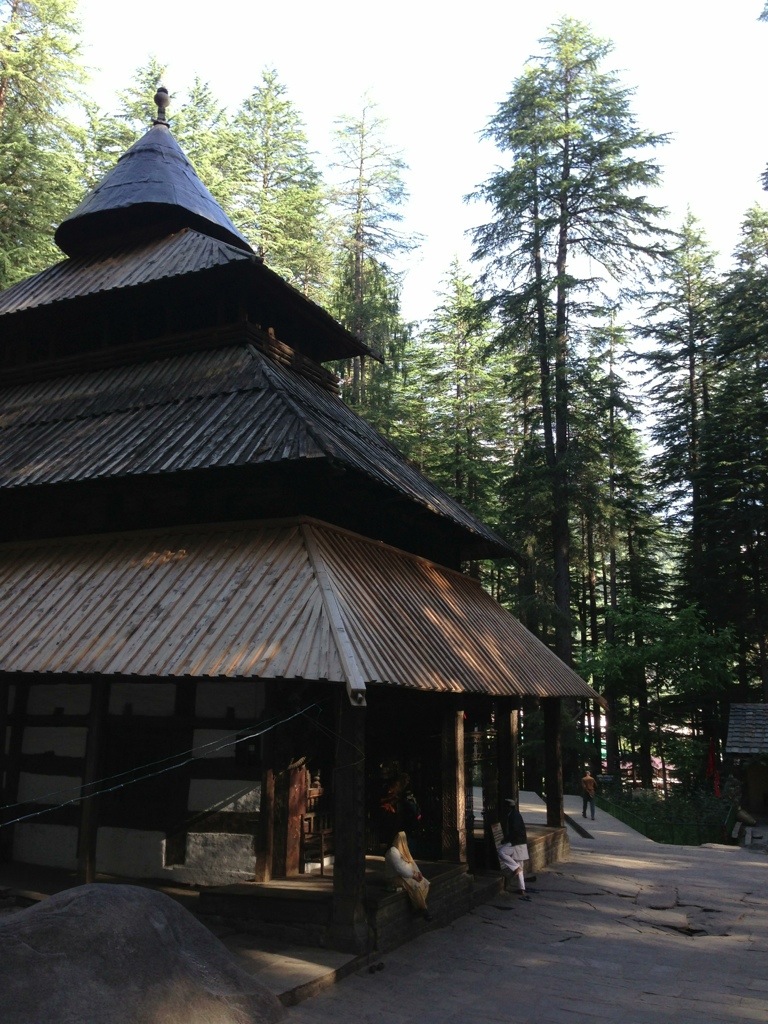
The newly replaced Manu temple represents the story of how the ‘law maker’ Manu, a little like the biblical Noah, arrived here following a great flood.

20130702-135046.jpg20130702-135226.jpg20130702-135349.jpg
On the opposite bank of the Beas lies the village of Vashist which boasts of hot water springs for bathing. Aside from the usual tourist shops, hotels and restaurants Vashist has developed a reputation for being a destination for ‘stoner’ Western tourists with a cafe culture to match. It also has a large number of motorcycle hire companies. Row upon row of Royal Enfields gleam brightly alongside the road leading up to the village.
20130702-150553.jpg20130702-151602.jpg20130702-151712.jpg
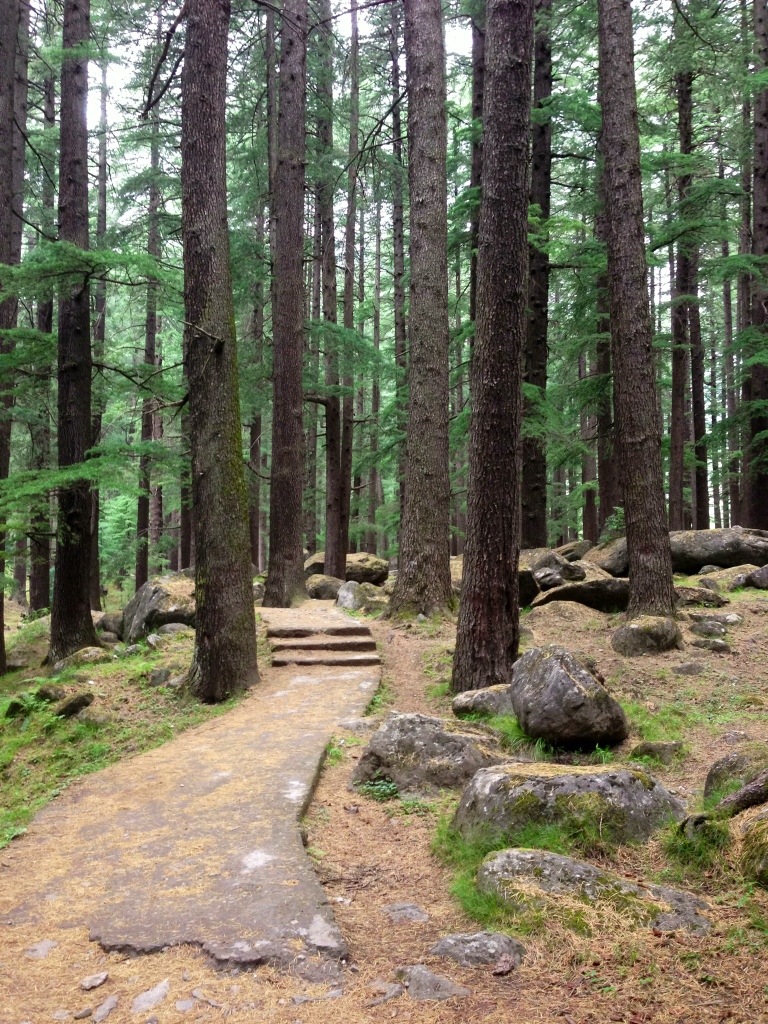
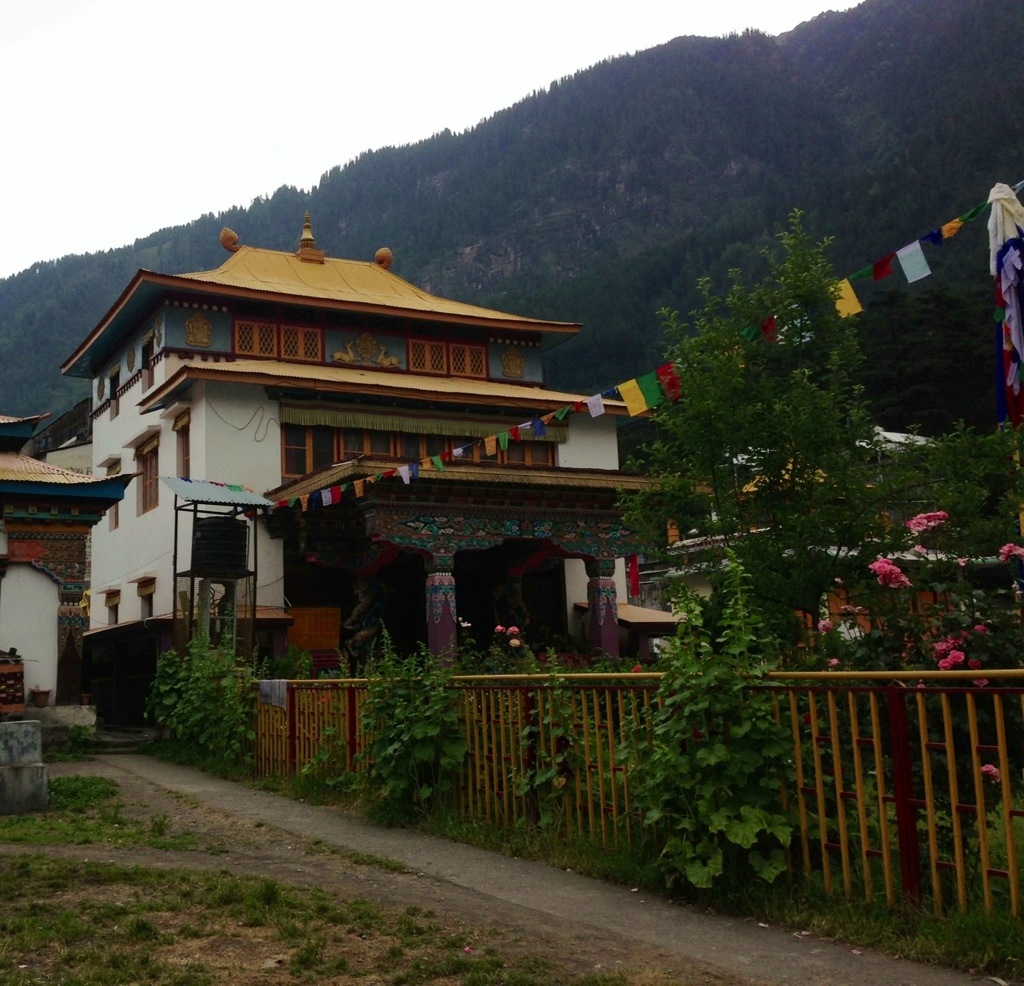
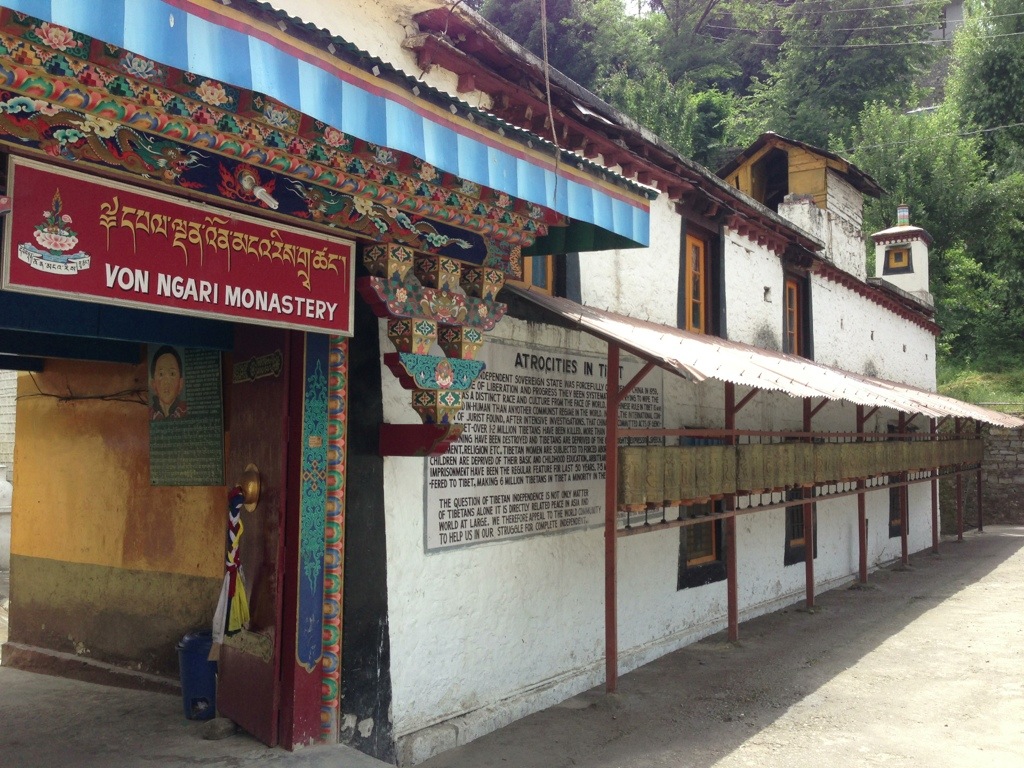
New Manali and the commercial centre sprawls along the West Bank of the river Beas. It mixes working class suburbs with a Tibetan community, Buddhist monastery and temple. It is separated from the old town by ancient forests. The ‘nature walk’ is particularly pleasant and in the hill forests above is the Hidimba Devi temple containing a natural cave shrine. 20130702-152609.jpg20130702-152744.jpg

20130702-153431.jpg

20130702-153537.jpg

20130702-153644.jpg

20130702-153727.jpg

20130702-153819.jpg

20130702-153906.jpg
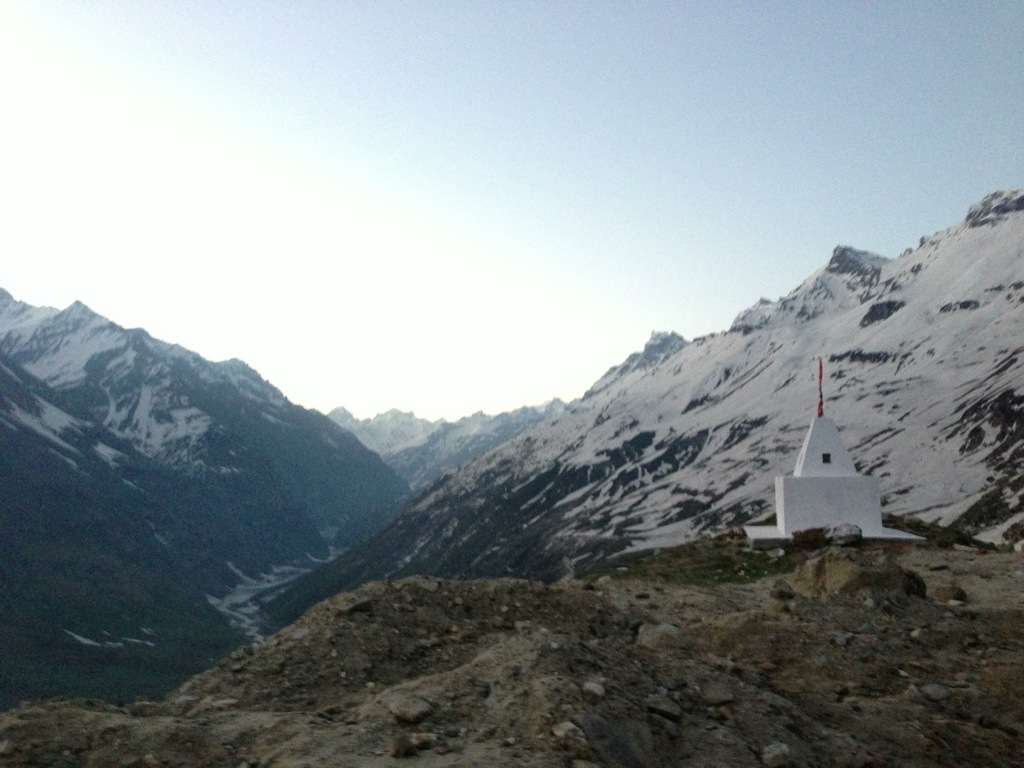
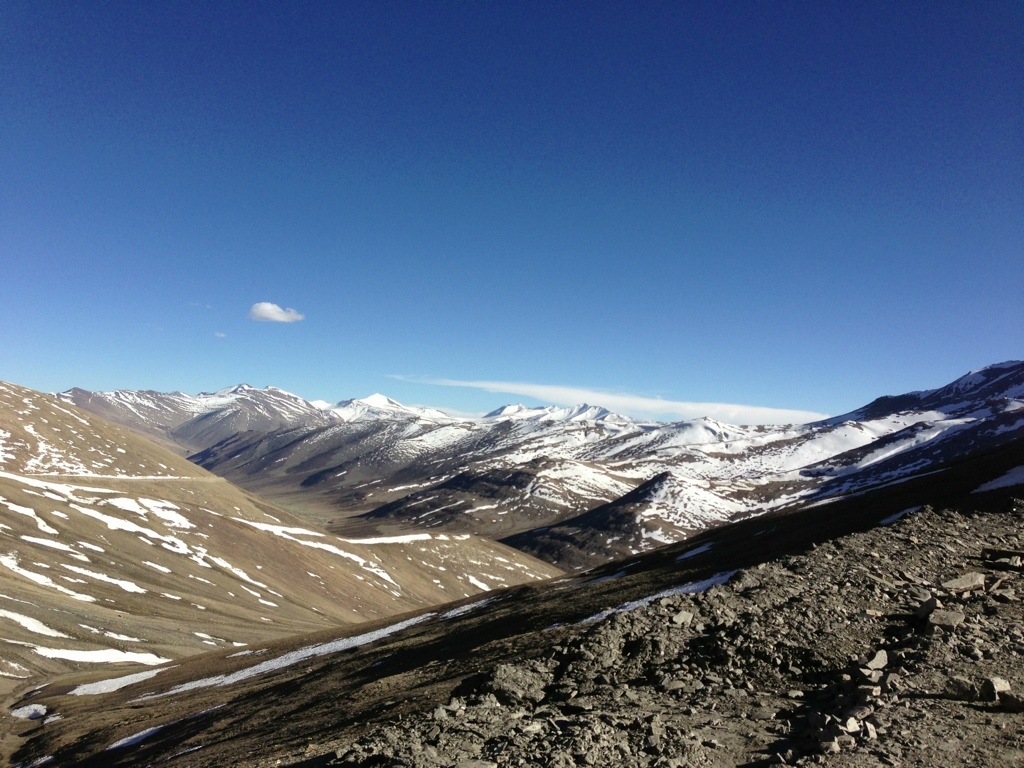
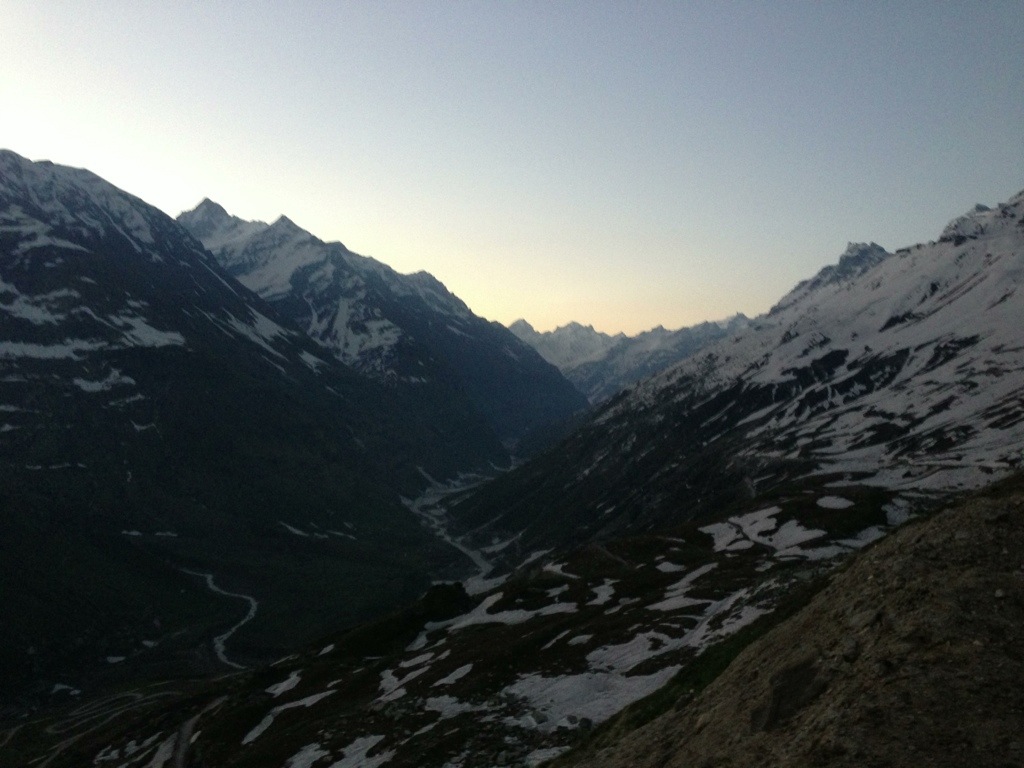
Beyond Manali is the Rohtang pass. Many Indian tourists find their first experience of snow there. It is also the gateway to Ladakh. At 2am one chilly morning I popped my bike on top of a minibus and left for Leh. I had been disappointed by my failure to get there from Srinagar. I was going there after all and cycle back to Manali via one of the most exciting and highest routes in the world. Wow.

20130702-161028.jpg

20130702-161050.jpg

20130702-161226.jpg